


Menstruation. A regular part of our lives, yet still a somewhat taboo topic. As long as we can manage these days and they don't confine us to bed, we pretend they don't exist. And when pain strikes, we just try to alleviate it and get through it. However, menstruation is important enough for us to consciously strive for its natural and pleasant course. Do you know how to achieve this and what to focus on during this phase of your cycle?
To start improving and making menstruation more pleasant, it's essential to know what healthy menstruation actually looks like. If you haven't thought much about it until now, know that menstruation is a reflection of a woman's physical and mental health. It is influenced by hormonal (im)balance, our diet, stress, exercise, and overall lifestyle. It's important to listen to your body and notice the signals it sends regarding your menstrual cycle.
Healthy menstruation:
- should primarily be regular – the menstrual cycle should last approximately 26 – 35 days,
- should last from 3 to 7 days and its intensity should involve about 1 – 6 full tampons or pads per day,
- should ideally be painless, or with mild to moderate lower abdominal pain, especially during the first few days,
- should not significantly affect emotional state (of course, mild mood swings or irritability are normal),
- should not be accompanied by very severe pain, whether abdominal or headache, diarrhea, vomiting, or extreme fatigue.
5 steps to a more pleasant menstruation
There are many reasons why healthy menstruation does not occur. If the problems are serious, persistent, and interfere with your daily life, you should definitely consult a doctor. We have focused on minor deviations or cycle problems that you can tackle by adjusting your lifestyle.
1. Diet is key
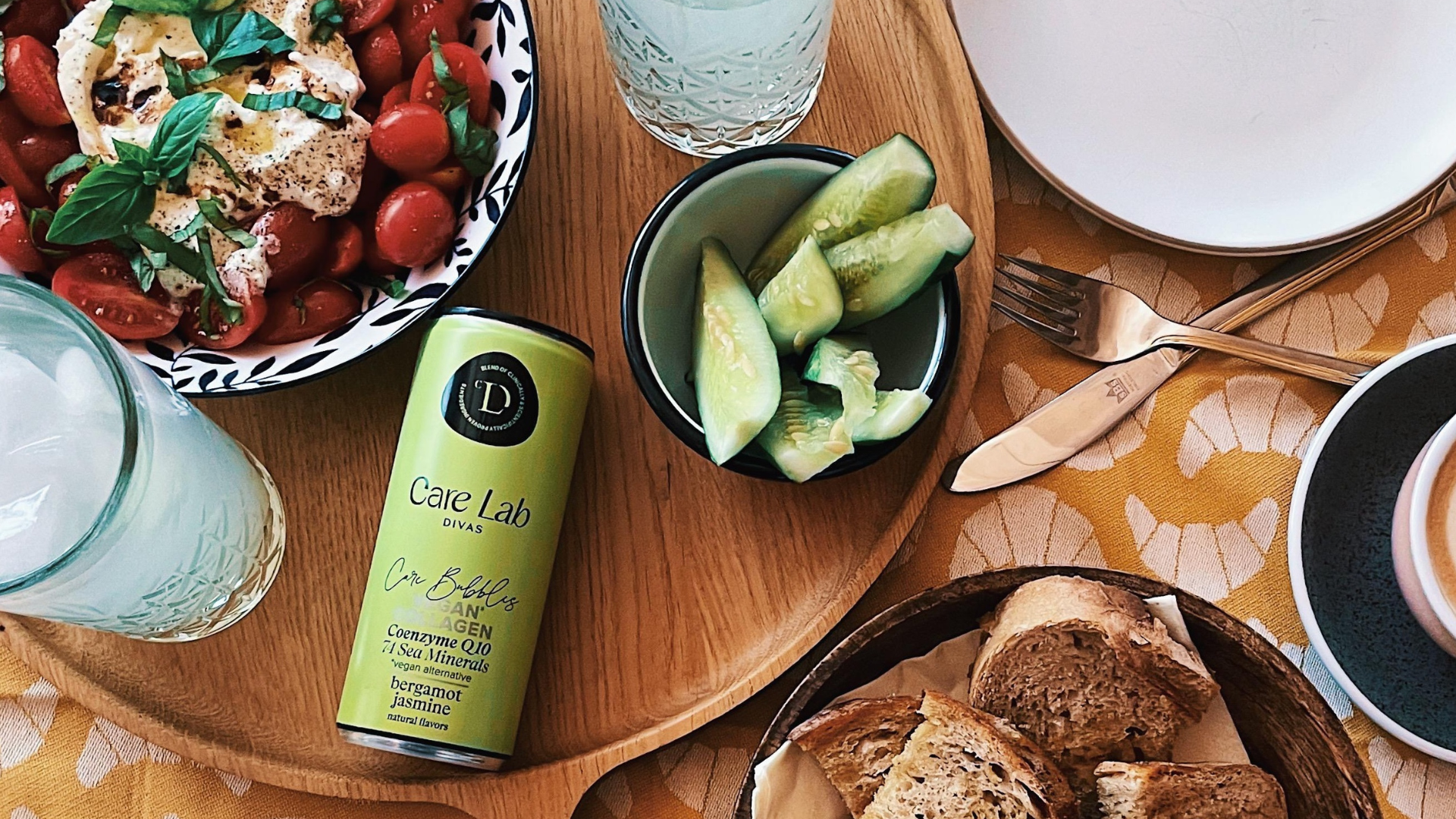
We are what we eat is not just an empty phrase. The food we consume daily truly impacts our health, and thus our menstruation. A diet full of
- proteins (eggs, fish, legumes),
- fiber (fruits, vegetables),
- healthy fats (avocado, nuts, seeds),
- complex carbohydrates (sweet potatoes, quinoa).
Large amounts of simple sugars, caffeine, and alcohol have the opposite effect.
2. Sufficient sleep is not a cliché
Night rest is often underestimated and we voluntarily deprive ourselves of it. Without it, however, the necessary cell regeneration does not occur, and hormonal regulation becomes insufficient. Yet, the constantly mentioned 7 – 9 hours of sleep can truly work wonders.
3. Exercise that helps
Regular, moderate, gentle, and adapted to your body. That's how exercise should be, which has a beneficial effect on both physical and mental health. During other phases of the cycle, it can be more intense, but menstrual days explicitly call for slowing down and gentle movement, for example, in the form of yoga, Pilates, swimming, or walking.
4. Hydration is our daily necessity
The importance of fluid intake is emphasized everywhere, but it is even more essential during menstruation. It alleviates bloating and swelling, supports digestion, which is often disturbed during menstruation, reduces the intensity of cramps and headaches, and last but not least, contributes to improving mood and maintaining energy.
5. Irreplaceable stress regulation
In addition to the aforementioned steps, you can also approach stress reduction directly, thanks to conscious mind work. Breathing exercises, meditation, mindfulness, massage, or aromatherapy can help.
Substances that help
Since we mentioned that diet is an important factor for healthy menstruation, it is also important to remember that during menstruation, the body requires supplementation of specific vitamins, minerals, and other beneficial substances.
- Iron
Its amount naturally decreases with blood loss. With higher losses, there is a risk of excessive fatigue and weakness, so it is advisable to include it in your diet during these days, either in the form of red meat, lentils, spinach, or even as a dietary supplement.
- Magnesium
Helps manage unpleasant symptoms that may appear during menstruation. It has a relaxing effect on muscles, alleviates cramps, and also any irritability. You can find it in almonds, avocado, bananas, and dark chocolate with a high cocoa content.
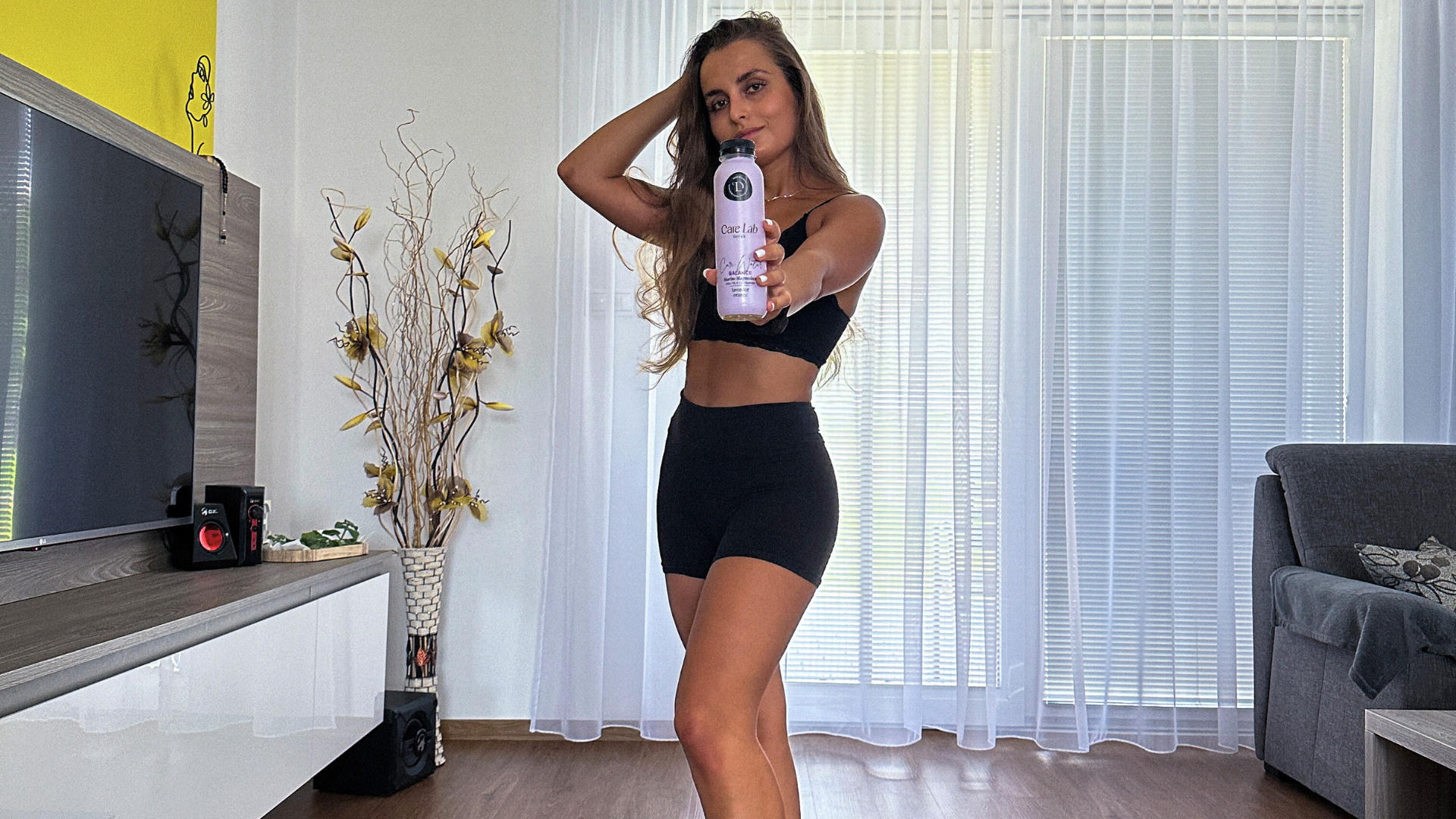
Our tip: Iron and marine magnesium are important components of our functional drink CARE WATER Balance, so you can supplement them as part of a delicious fluid intake with calories equivalent to half an apple.

- Potassium
Due to the drop in progesterone and estrogen hormones, the body tends to retain water, resulting in unpleasant swelling and bloating. If you struggle with these discomforts during menstruation, potassium can help regulate them. It is found in bananas, sweet potatoes, tomatoes, and coconut water.
- Omega-3 fatty acids
These substances are particularly important during menstruation due to their anti-inflammatory effect, which helps alleviate cramps and menstrual pain. They also support hormonal balance and help to reduce mood swings and anxiety. You can supplement them through nutritional supplements, or naturally from sea fish, algae, walnuts, or seeds (flax, chia, hemp).
- B vitamins
B vitamins also have a beneficial effect on improving mood and alleviating menstrual pain. Additionally, they support the conversion of sugars and fats into energy, thereby combating fatigue. These vitamins are naturally found in leafy greens, fermented products like sauerkraut and kimchi, as well as in nuts, eggs, and whole grains.
- Zinc
It is necessary for proper ovarian function and hormonal balance. It helps regulate irregular cycles and, with long-term use, reduces menstrual pain. Furthermore, it has a positive effect on skin condition, so it can be useful, for example, for acne problems. If you're wondering where to get it, supplement your diet with pumpkin seeds, legumes, seafood, or cashew nuts.
Our tip: Zinc is ideally supplemented together with vitamin C. In combination with B vitamins and other beneficial substances, you can also find them in our functional drink CARE WATER Defense.
And how do you take care of your menstrual cycle's health? Do you have any tried and tested steps? Share your routine with us and help other women make their days more pleasant.



