


Everyone wants to enjoy their holiday, but that's only possible when we feel good – physically and mentally. Although we often don't realise it, our digestion has a huge impact on this. How do we keep it in order even far from home, with plenty of tasty temptations or without our regular routine?
The idea of an ideal holiday
The word holiday primarily evokes relaxation and peace, but it is also associated with pushing boundaries, freedom, and letting go of established rules, rituals, and even diets. After all, when else to indulge if not on holiday? However, free days can be fully enjoyed without overeating, without a lot of alcohol, and by respecting our usual eating habits. It is precisely caution and mindful eating that will ensure we are well and can explore happily.
There are several tips that can help every traveler maintain healthy digestion. And since there's nothing better than expert advice, we asked fitness trainer and nutritionist Erika Zajacová, who regularly discusses healthy eating (even) during holidays with her clients, for her insights.
"If my clients have doubts before going on holiday, I like to ask them what their ideal holiday would look like. How they relax, what they eat, how much they move. Once we have clearly defined what we expect from a holiday, how we want to feel on it, the rest is relatively simple. My clients have never told me that they want to feel constantly overeaten and low on energy."

The temptation called all-inclusive
A big challenge on holiday is often all-inclusive catering. Some people can't resist it, and just because it's included in the price, they eat much more than they need. According to Erika Zajacová, there's another way.
"An all-inclusive holiday provides a great time to realise where I stand in terms of eating – it's a time when our usual reasons for 'it can't be done' don't hold up. Suddenly we have time, suddenly someone even chops vegetables for us, prepares tasty fish, and we have a wide range of dishes available. Then the question arises: 'Will I eagerly reach for nutritious meals, or will I slide into fast food?'"
As a preventative measure against bottomless overeating, Erika says some people find success with skipping snacks between main meals or the one-plate rule.
"It's not uncommon to go back for dinner 2-3 times, or even take two plates right away. We don't need that much food. In the better case, we'll feel heavy; in the worse, we'll gain some extra pounds; in the worst, it could be a gallbladder attack or other digestive problems. Moderation applies as a principle in everyday life and should also apply on holiday. Let a holiday be about rest and an opportunity to nourish your body as best as possible, so it's ready for work again."

Fiber as a helper
To support a healthy gut microbiome and maintain regular bowel movements, fiber is a "must-eat." It's especially appreciated by people prone to constipation, not just when traveling. So, how do you get enough of it? Ideally, directly from nuts, seeds, fruits, vegetables, or cereals. Brown rice or dark chocolate can also help.
Our tip: Supplement your fiber intake with our delicious drink Care Water DEFENSE, which contains prebiotic inulin. With a pleasant pomegranate and hibiscus flavor, Care Water DEFENSE is one of the clear bestsellers in our portfolio of functional beverages for health and vitality. Have you tried it yet?
Stick to your habits
We understand that many people want to indulge in things that usually cause them problems while on holiday. "I'll only have a little," "one day won't kill me," and so on. We can justify our missteps in these ways. But if you truly want to enjoy your holiday without guilt and risk, consistency is the way to go.
Try mindful eating
Mindful eating is also related to adhering to special diets. From one perspective, it means choosing meals thoughtfully, checking for allergens, and asking questions. Trying different local specialities isn't a problem, as long as it's done sensibly.
"There's a difference between tasting specialities and unrestrained overeating. If after every course you feel the need to just lie down because you feel heavy, it might be more appropriate to re-evaluate your approach to eating (whether it's the portion size or the composition of the plate)," explains Erika Zajacová.
The second aspect relates to the consumption itself. If you're familiar with the mindfulness method, you've probably tried mindful eating. It involves taking in food with all your senses, and its goal is to focus on only one activity at that moment. Don't watch TV or scroll on your phone while eating. You should first properly look at the food, smell it, taste it, and eat it slowly. Know that you'll enjoy it more, you won't overeat, and you'll also build mental resilience.
Movement plays an important role
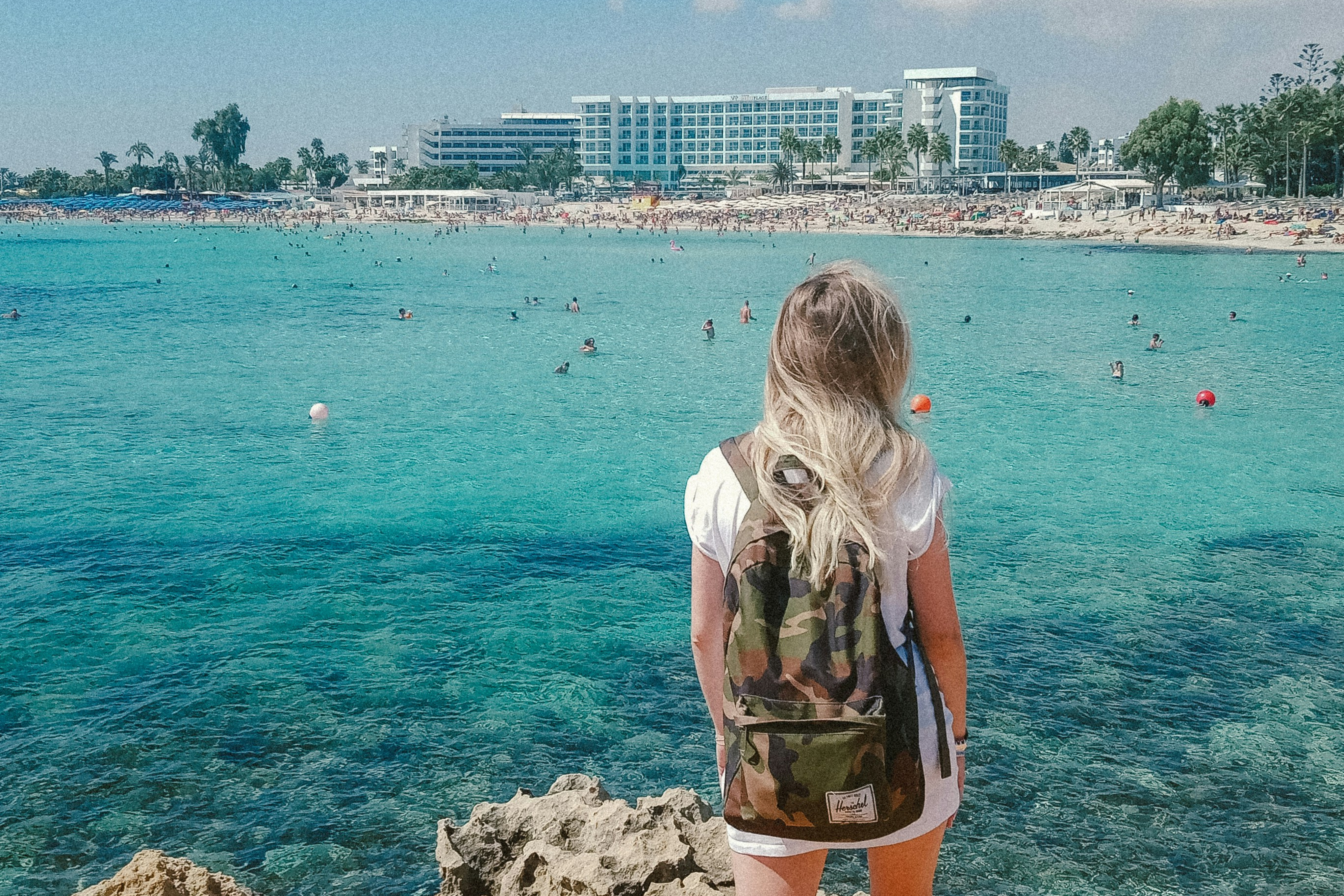
Those who prefer an active holiday don't need reminding of this point, but if you're more of a beach type and don't mind lying in the sun all day, at least take some healthy walks, go swimming, or do some light yoga. Light exercise increases blood flow to the muscles in the digestive tract, which helps regulate bowel movements and reduces the risk of constipation. In addition, it strengthens the health of gut bacteria and thus ensures the proper functioning of the digestive system.
Interesting fact:
Everyone probably knows about jet lag, at least by hearsay, but did you know there's also something called gut lag? This refers to the disruption of the gastrointestinal system due to traveling across different time zones. According to scientists, the circadian rhythm also affects the gut microbiome. This is because it is regulated by diet and the time we usually eat. That's why it's important to adjust to the time difference as soon as possible, meaning functioning during waking hours even when we're tired, or conversely, trying to sleep even when it doesn't feel entirely natural.
Many factors affect our digestion while traveling. However, we must not forget that our mental state also significantly influences it. Stress is a common culprit for many illnesses, as well as improper bowel function. And since there's often a lot of it when planning holidays, it's good to consciously prepare for it. Planning well in advance, involving family or friends in preparations, and especially letting go of ideal expectations will help.
That's the theory, now just to put it into practice, right?



